Red, White and Bruised: USA Part 2 - Spectrum
I continue to interchangeably use America and Americans to mean the USA and Citizens of the US.
America is a big place. Not a controversial statement. I’d always assumed it was big in the way that the Hoover Dam, the Luxor Pyramid or Walmart are big. Grossly constructed, impressive merely due to eldritch scale rather than a sum of individual interesting parts.
A visit to the Grand Canyon spawned a more nuanced idea of big. The canyon was too large to comprehend, my mind unable to perceive it as a large natural wonder but as a blurred painting in the background of photos. It inspired megalophobic awe but didn’t create a lasting impression on me. I can picture the Grand Canyon but I can’t remember specific details. That was until I ventured down the sides. Escaping the immensity of the whole and investigating the minutiae offers a different appreciation of magnitude.
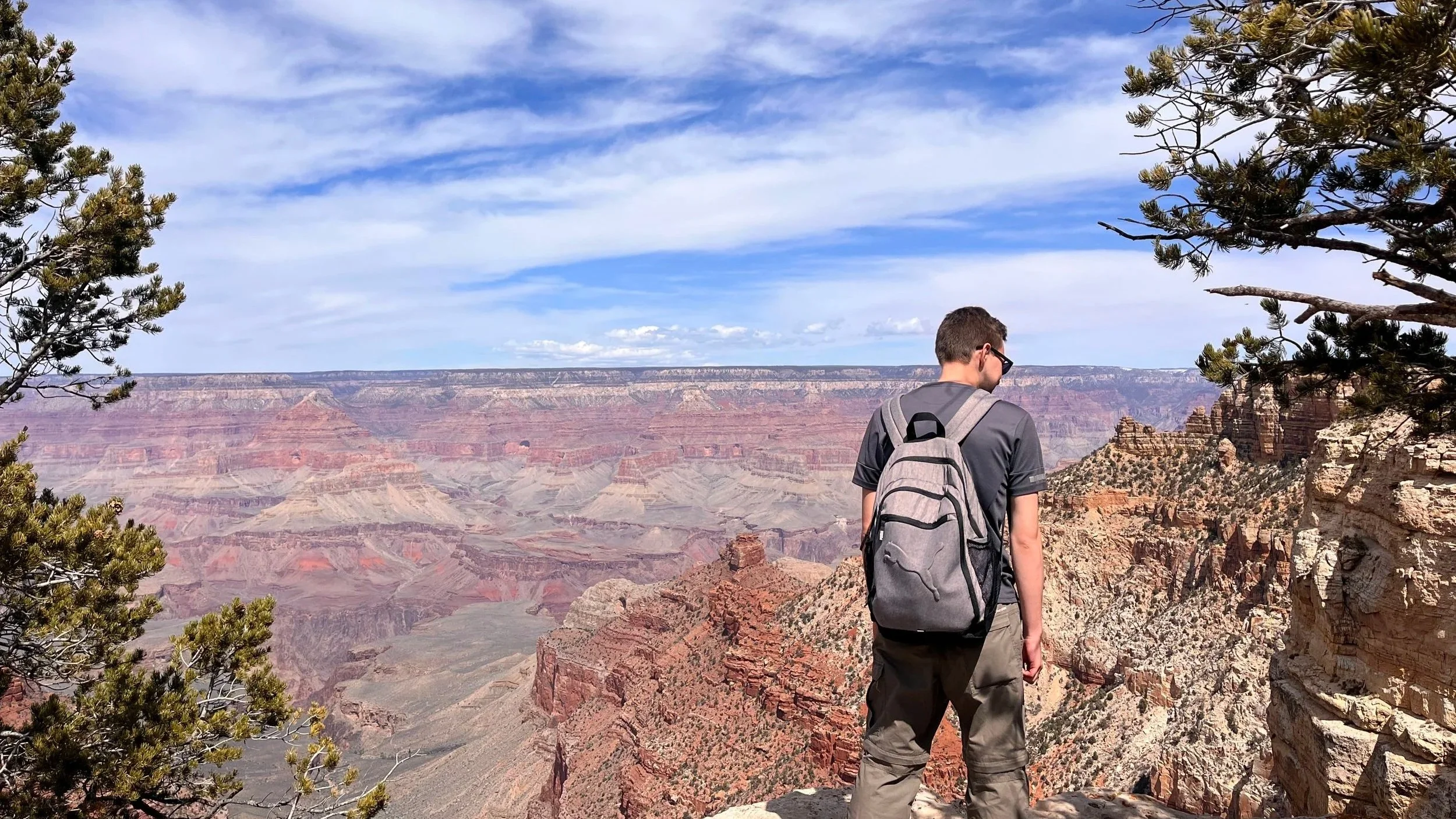
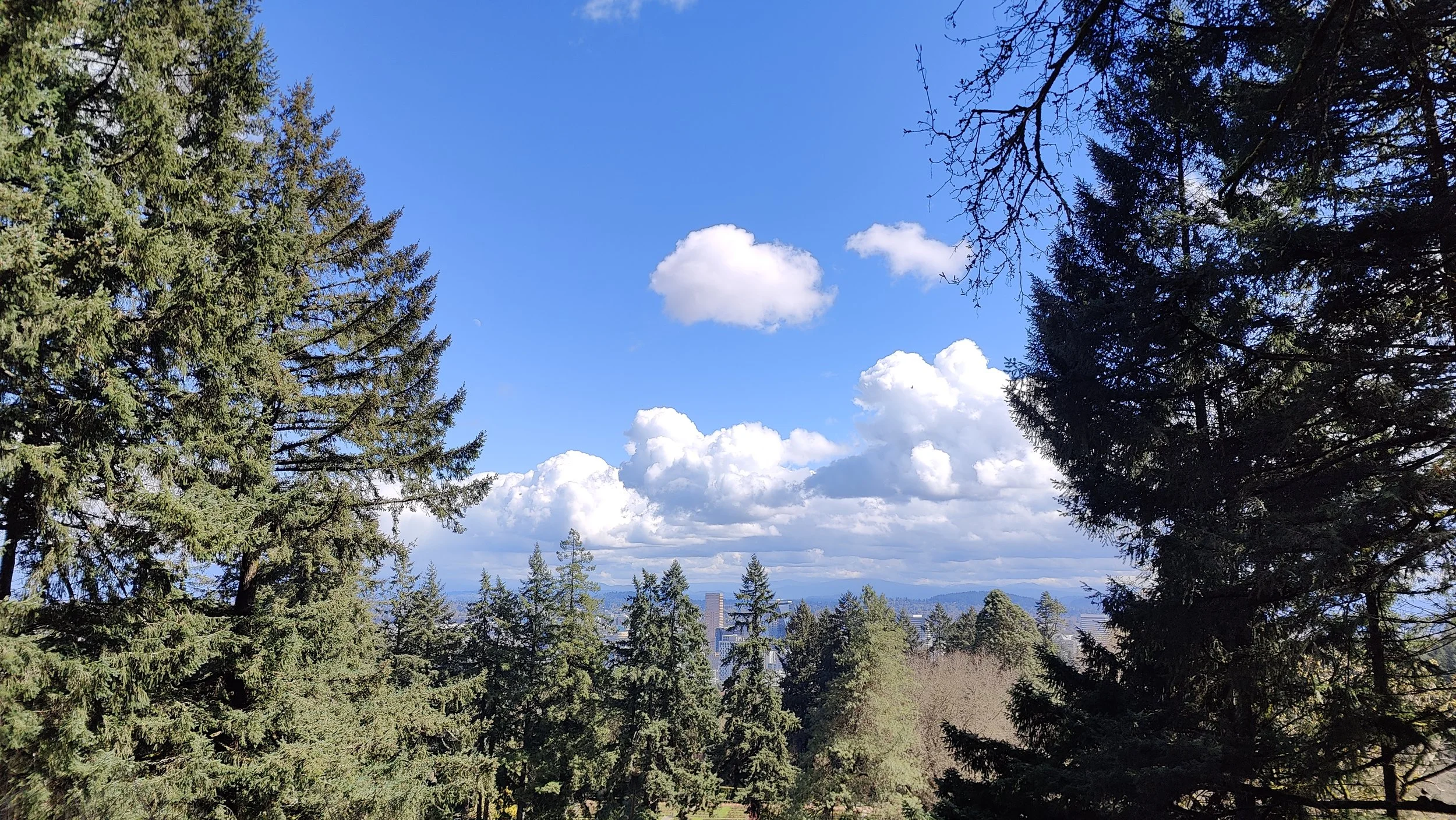
I’ve been applying this principle to the US. Recently I am struck not by the size but the heterogeneity of this vast country. So little of the United States feels monolithic and bland. Over a month driving through over 20 states, many of which are described as “boring”, the landscapes refuse to become familiar or monotonous. Impossibly gargantuan mountainous skylines in Montana, rainbow shaded vistas descending the rockies in Colorado, even the flat expanses of South Dakota. Every national park I visited sports its own unique blend of variegated flora, fauna, rock formations, rivers.
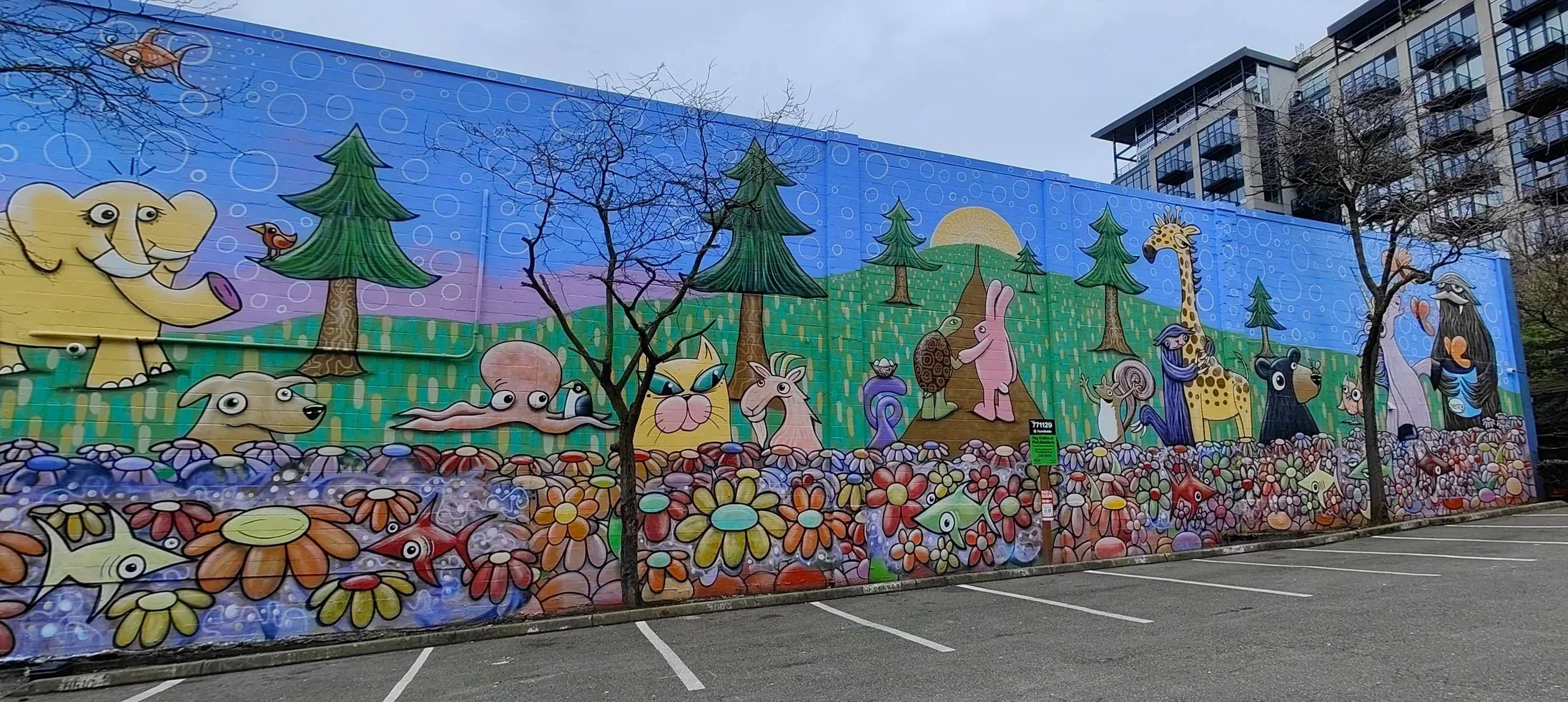
Away from nature, in cities and small towns, I witnessed a smorgasbord of architectural design. Every local designer chased their singular vision and the result is an eclectic mix of old and new. Street art and vibrant murals adorning city blocks with pride for the US but also the distinct exotic heritage of each artist. Despite the cookie cutter reproductions of capitalism forcing Walmarts, 7/11s and Exxon gas stations onto every street corner this similarity of commerce highlights the ways in which each niche of the United States forms an exclusive aesthetic identity.
It fits my neurodivergence perfectly to be able to travel an hour, and survey a whole different world of colours, textures and sounds while still meeting ostensibly the same people, see the same road signs. Feel just as at home. This continued daily refresh during my US travels brought more adventure, more novelty, than all past trips to different countries combined.
Experienced in this granular way, fully at the ground level, and constantly in motion, the true scale crystallises.
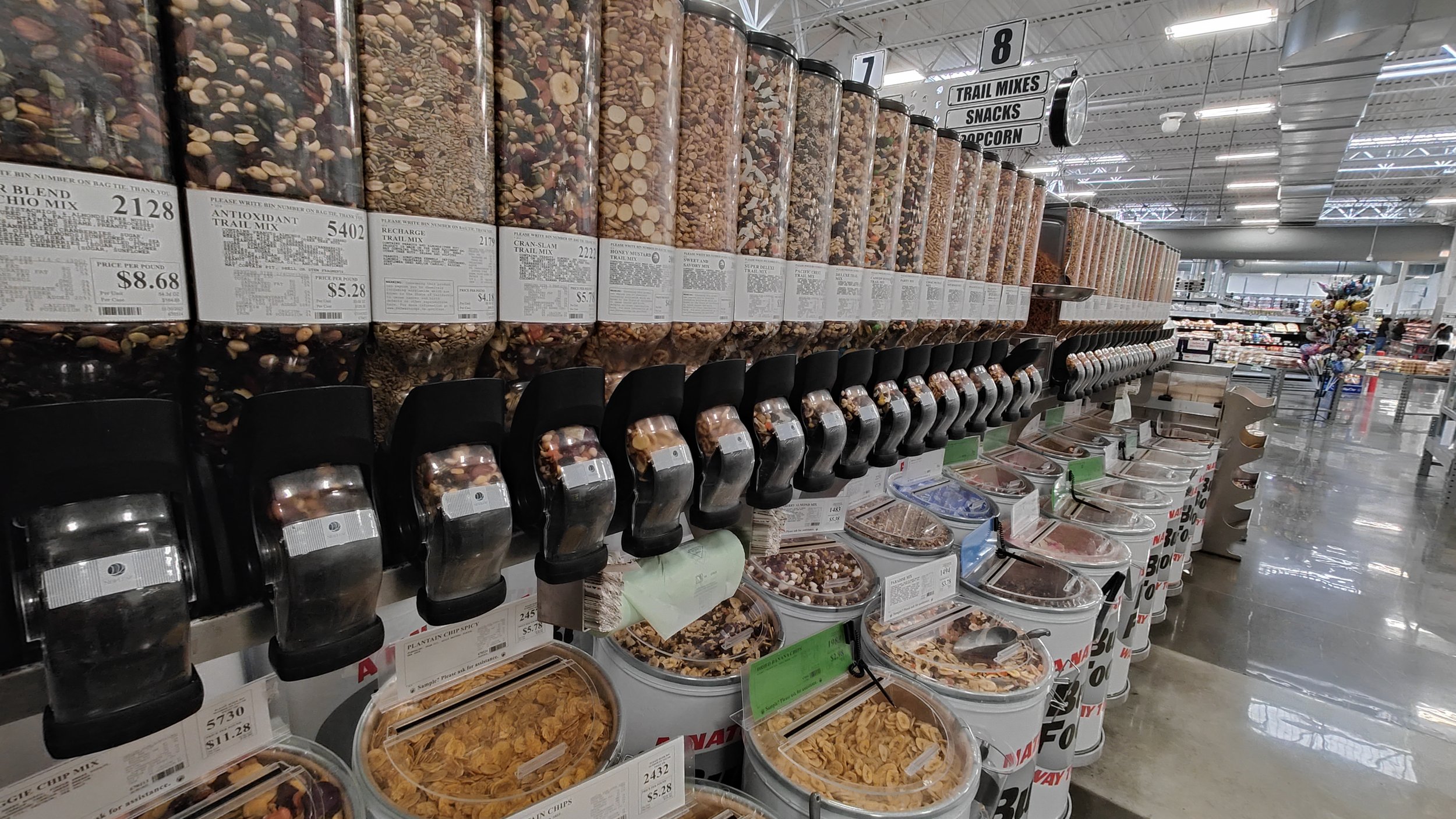
The abundance of options in every corner of the US is confounding. No matter how provincial an area I was presented with a global selection of cuisines, then once I'd selected a restaurant handed a voluminous menu, then after choosing, further questions — which sides, which sauces, which method of preparation. The standard US coffee order needs a flow chart to disambiguate, yet every barista in a small midwestern coffeeshop was fully prepared to cater to my every whim.
Food and drink were immediate to me as a tourist, but I sense this freedom of choice in every facet of American life. Clothing, Cars, Gardens, Parks, Careers, Dog Breeds, Hairstyles, Grocery Stores, Groceries within those stores. A never-ending liberty to elect and craft your exact desire.
But surely that’s just the privilege of a consumer in late stage capitalism? If you’re searching for real freedom of choice, look to the exceptional, unabashed multiplicity displayed by the people in the US.
I’m avoiding the word diversity because I think describing the US as diverse conjures the idea of several ancestral stereotypes slotted together. I endeavour to avoid the cliché of the tourist who visited New York City and calls it a “melting pot”.
Crucially the individuals I met were unbelievably disparate with their own novel heritages and dispositions.
“Begin with an individual and you’ll find you’ve got nothing but ambiguity and compassion; if you intend violence, stick with the type.”
Every conversation I had with a US citizen, no matter how brief, revealed intricate and personal details of their inner character. The Wisconsinite who had come to Yellowstone with just a hundred dollars to his name. The server in Wyoming who raced motocross on weekends. The theatre manager in Minneapolis who’d had a seahorse as a childhood pet. The bluegrass musician who was chair of her Pokémon club at high school. The Portland girl who let her artist friends tattoo whatever they wanted on her arms and chest. The Mormon who had renounced because she wanted to drink coffee.
These and a hundred more form a rainbow of backgrounds, temperaments, passions, faiths, dress sense, linguistic style. All so comfortable to stand apart from mundanity. All American but so little in common.
While eccentric and peculiar, I admit these are surface details. However I put it that the emotional sincerity that accompanies the ability to present passion and idiosyncrasy up front is powerful beyond superficiality.
Learning these characters’ intimacies so quickly would have made each of them the most remarkable and interesting person that I knew in London. I am used to discovery of personality as a questionnaire exercise: Job, Married, Kids, Pets, Education history, Socioeconomic status, Politics, Music Taste, Hobbies, Sports Teams. Dating in London was more mechanical than job interviews. The UK populace does not lack defining characteristics, but their reluctance to present uniqueness hampers true connection.
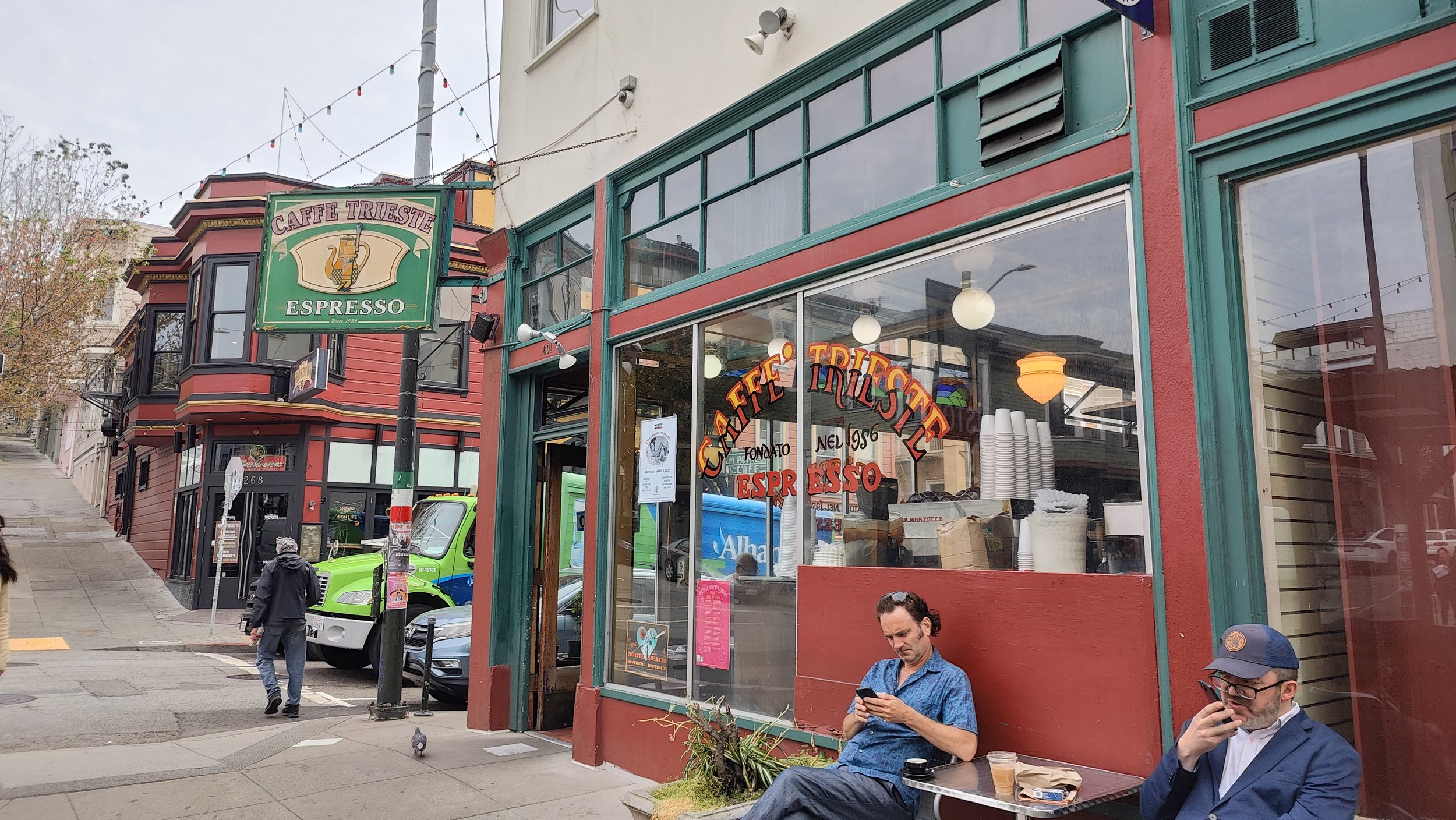
It bewitches me that in the US the norm is to wear the deeper personal aspects outwardly and proudly. It leads to more confrontation but it demands honest expression and I certainly achieved authentic connection faster.
Back in the UK I couldn’t escape the feeling of being repressed into formulaic ways of living. It was fine to have a quirk but that must remain separate to your identity. Your external persona must be a bland facsimile of your peers. Certainly don’t stand out from the crowd as your immediate impression. And I say this as a straight white man; if I’m feeling the incessant need to submit and comply, I can only imagine the pressure this places onto any minority.
Evolutionarily it makes sense to want to fit in, but in Europe priority is placed on the wrong ideals. Human compassion, generosity, empathy take a backseat to regularity, predictability, politeness.
“If you’re completely normal then you’re weird enough.”
I struggle to find my values because I spend a ludicrous amount of my effort putting up an appearance in order to not cause trouble. I couldn’t enumerate the times that I have randomly chosen my order in a café or restaurant purely to appear to be a functioning member of society rather than get what I want. The idea of causing a small disruption or inconvenience to those around me is too tortuous to allow me to exercise the smallest modicum of my own preference. I once spent a full week deciding whether I could buy a coat that wasn’t Black, Grey or Blue. How on earth would the people in my office perceive me if I didn’t look like they thought I should?
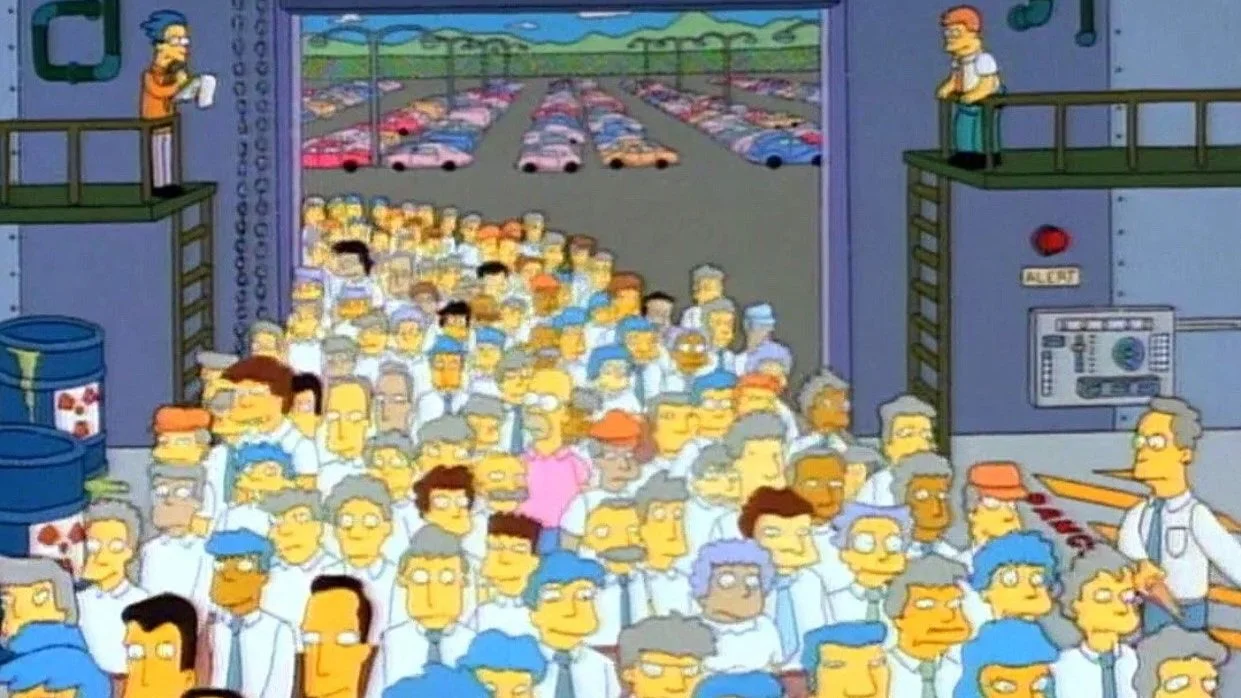
And after 20+ years of feeling uncomfortable wearing what I want, eating what I want, expressing my views, I couldn't answer even the simplest questions about myself. What actually is it that I value? Do I even like the taste of coffee? What exactly do I find attractive in a partner?
I’m not advocating for the dropping of courteous behaviour or social conscience of the time and importance of the people around you. I’m merely lamenting that by constructing the appearance of the model member of London society I severely impaired the possibility of letting someone catch a glimpse of a more authentic side of me.
My internal prison may appear to be self-created but never did I see my family, friends or coworkers praise anyone who was outspoken, their appearance confrontational or unconventional. Perhaps worse still was my own participation in propagation of cultural norms. If I felt exposed because I didn’t fit in; I could soothe this insecurity by feeling toxically superior to anyone more visibly misfit. Escape starts with celebration of those different to oneself and a significant delight in seeing anyone willing to expose a more messy, honest side of themself to the world.
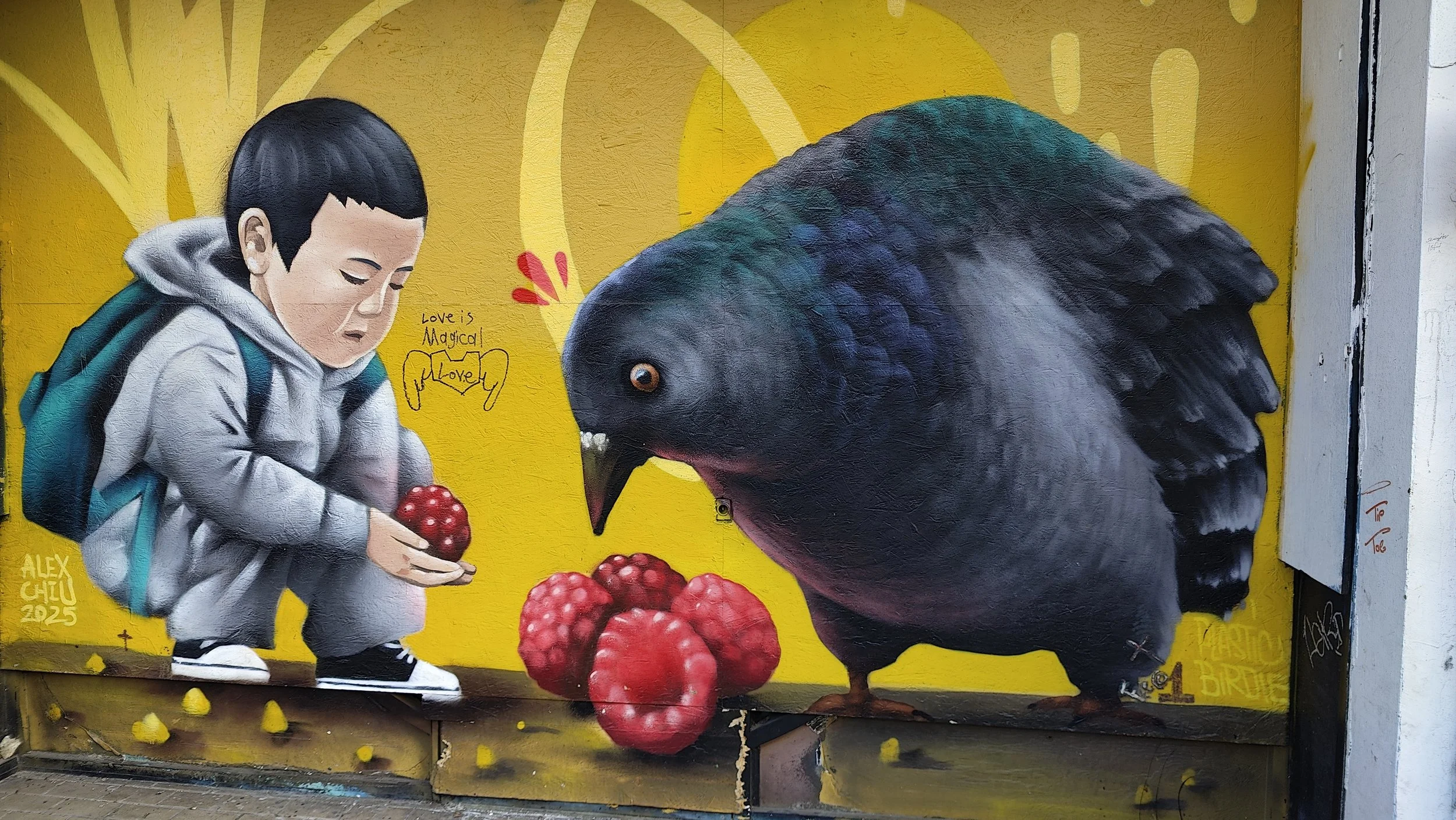
Americans permit themself to be the main character of their story. This has its own horrific implications [which I will come back to] but it has created a beautifully technicolour rainbow of human existence and identity. Localised conformity pressure definitely exists, but it doesn’t seep into you from the whole atmosphere. I found this liberating, but Americans I have talked to don’t perceive it as a freedom. It’s so embedded into themselves to be unashamed of who they are.
I must clarify; the quality I’m championing doesn’t mean that every American agreed with me. The racist cab driver who ranted for a whole drive about Gavin Newsom ruining California is expressing himself just as equally. I argue there’s beauty in knowing within such a brief window whose true principles align (or misalign) with mine.
Given the current administration it is reasonable to assume that pride and extolment of non-conformity would be hugely suppressed. I found a view on the ground quite the opposite. The power of those in charge to shape the culture pales in comparison to the passion of the masses that truly form America. It is not shocking that the USA ranks highly on measures for LGBTQ+ representation. Despite a large percentage of the population condemning their identity, the innate pride of each American defies repression.
My default mental state is to seek comfort through regularity. I expected that to be confronted by widespread simultaneous individual expression would challenge and upset that. Instead, seeing such diversity of identity and self acceptance in all corners feels neither chaotic nor overwhelming. Repeated exposure to this plethora of candid interactions allows me the freedom to ascertain which traits lie closest to my own values. It gets me closer to finding belonging.
The USA is vast but its true breadth consists of a fractal chaotic jigsaw of people who form the whole. I experience my own huge range of emotions when visiting the United States, but boredom is never going to be one of them. It’s such a big place.